


Meeting Reviews
Congenital Cardiac Anesthesia Track at the 7th World Congress of Pediatric Cardiology and Cardiac Surgery
By Dr. Mark Twite1, Dr. Wanda Miller-Hance2
1Department of Anesthesiology, Children’s Hospital Colorado and University of Colorado Anschutz Medical Campus, Aurora, Colorado USA
2Department of Anesthesiology, Texas Children’s Hospital and Baylor College of Medicine, Houston, Texas USA
Introduction
The Congenital Cardiac Anesthesia Society (CCAS) is a societal partner with the World Congress of Pediatric Cardiology and Cardiac Surgery (WCPCCS). The world congress is held every four years, this year was the seventh meeting, and it was held July 16-21, 2017 in Barcelona, Spain. This congress was the first to have a dedicated ‘anesthesia track’ and also to have many ‘bridging together’ sessions where speakers from different sub-specialties could discuss and debate common topics. Initially planned to take place in Istanbul, Turkey, the congress was re-located after safety concerns, to Barcelona, Spain. The organizing committee lead by Dr. Sertac Cicek, should be commended for their leadership in making this difficult decision and with the smooth transition of the conference to another country. However, terror attacks occurred in Barcelona one month following the world congress meeting, demonstrating that every major city can become a terrorist target. Malala Yousafzai, the youngest person to receive the Nobel Peace Prize at the age of 17 years, said ‘with guns you can kill terrorists, with education you can kill terrorism’. The congenital cardiac community around the world will continue to advocate for children with congenital and acquired heart disease and at the world congress we can come together to educate one another, share new ideas and strengthen old friendships and develop new ones.
The planning for the dedicated cardiac anesthesia track at the congress started four years ago. The congress chairs, Dr. Sertac Cicek and Dr. Levent Saltik, welcomed the involvement of the CCAS, which as a society endeavors to represent the community of congenital cardiac anesthesiologists from around the world. The anesthesia track included representation at the pre-congress conference; ‘wake up’ back to basics breakfast symposiums; dedicated anesthesia sessions; bridging together sessions, and both poster and oral scientific abstract presentations.
Pre-congress conference: Neurodevelopment
The fetal cardiology and neurodevelopment conferences, shared a morning session about the developing brain in the neonate with congenital heart disease (CHD). The neurodevelopment phenotype, the delivery of oxygen to the brain in the fetus with complex CHD and when, where and how these babies should be born were discussed. The impact of the hospital course on the developing brain in these neonates was discussed from an anesthesia, surgery and intensive care perspective. The effects of anesthetic and sedative agents on the developing brain is not yet fully understood(1).
This is a hot topic, with the United States Food and Drug Administration (FDA) issuing a safety communication in December 2016 with an update in April 2017. In this communication, the FDA warns that exposure to anesthetic and sedative medications for lengthy periods of time or over multiple surgeries or procedures may negatively affect brain development in children younger than three years. This warning is based on animal studies in young and pregnant animals that showed exposure to general anesthetic and sedation drugs for more than three hours can cause widespread loss of nerve cells in the developing brain; and studies in young animals suggested these changes resulted in long-term negative effects on the animals’ behavior or learning.
However, consistent with animal studies, recent human studies suggest that a single, relatively short exposure to general anesthetic and sedation drugs in infants or toddlers is unlikely to have negative effects on behavior or learning. Further research is needed to fully characterize how early life anesthetic exposure affects children’s brain development. Until this complex issue is fully solved, the FDA warns that health care professionals should balance the benefits of appropriate anesthesia in young children and pregnant women against the potential risks, especially for procedures that may last longer than three hours or if multiple procedures are required in children under three years. The challenges this presents for the pediatric cardiac community were discussed.
Back to basics breakfast symposiums
There were two breakfast symposia with an anesthesia component. The first was presented by Dr. K. Brady (USA) on interpreting waveforms and hemodynamic data. This outstanding talk highlighted how technology and ‘big data’ can be used in predictive analytics to help anticipate adverse events and alert health care providers before these occur. It was emphasized that the power of technology to detect and predict adverse events will only increase as more institutions become involved with data collection. These algorithms are the future of how large data can be harnessed to help individual patients and enable us to take the next steps in improving outcomes for patients with CHD. Dr. K. Brady highlighted this topic with his own work utilizing ST-segment analysis to predict cardiopulmonary arrest in patients with single ventricle physiology(2). The second breakfast symposium was provided by Dr. S. Walker (USA) and Dr. W. Miller-Hance (USA). This session presented the hemodynamic effects of sedative and anesthetic drugs and discussed pearls and pitfalls of using these drugs in patients with CHD. This session was popular with cardiologists who provide sedation during cardiac catheterization or other procedures.
The recent consensus statement for anesthesia and sedation practice for patients undergoing diagnostic and therapeutic procedures in the cardiac catheterization laboratory from the Society for Cardiovascular Angiography and Interventions (SCAI), Society for Pediatric Anesthesia (SPA) and the CCAS was brought up during the discussion(3). The goal of this statement is to provide practitioners and institutions performing these procedures with guidance consistent with national standards and to provide clinicians and institutions with consensus-based recommendations and the supporting references to encourage their application in quality improvement programs. The recommendations include patient monitoring in the cardiac catheterization laboratory, regardless of whether minimal or no sedation is being used, or general anesthesia is being provided by an anesthesiologist.
Anesthesia Sessions
Three dedicated, two hour sessions focused on major anesthesia topics. The first session discussed bleeding and coagulation. The first speakers provided an excellent debate on whether the monitoring of the coagulation system intra-operatively and the use of blood product protocols during congenital cardiac surgery should be a standard of care. Dr. N. Guzzetta (USA) provided a convincing ‘pro’ argument backed by considerable data and experience(4). However, Dr. D. Faraoni (Belgium) [Fig. 1] was equally well prepared with the ‘con’ arguments and his own data!(5, 6) There was good participation from the audience and it became clear from the discussion there was a wide range of practices around the world.
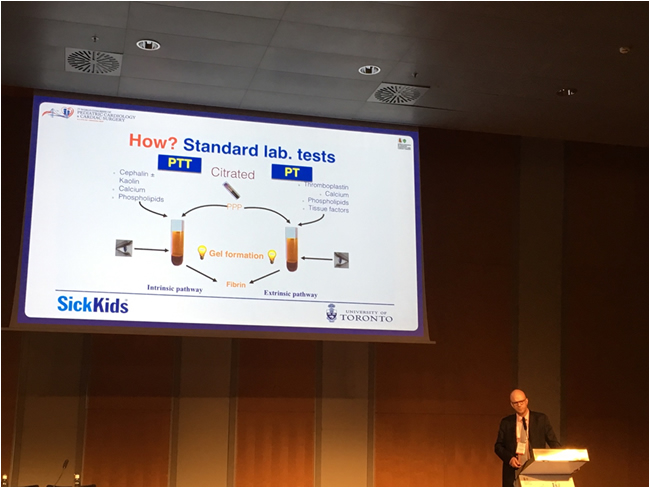
Figure 1. Dr. Faraoni debates the use of protocols for blood product transfusion during cardiac surgery
The current use of antifibrinolytics, especially aminocaproic acid and tranexamic acid, were well presented by Dr. Eaton (USA) [Fig. 2].(7, 8) While more centers are using tranexamic acid there is a concern of an increase in the incidence of seizures.(9) Next Dr. P. Arnold (UK) discussed novel agents and techniques to help stop bleeding in the cardiac operating room.(10) The availability of blood component therapy varies around the world and makes it challenging for anesthesiologists to interpret the data to facilitate their own practice. While we spend much of our time stopping bleeding after surgery, anticoagulation is key for patients on extracorporeal support with assist devices. This balance of bleeding on ECMO and VAD was very well presented and discussed by Dr. W. Ames (USA).
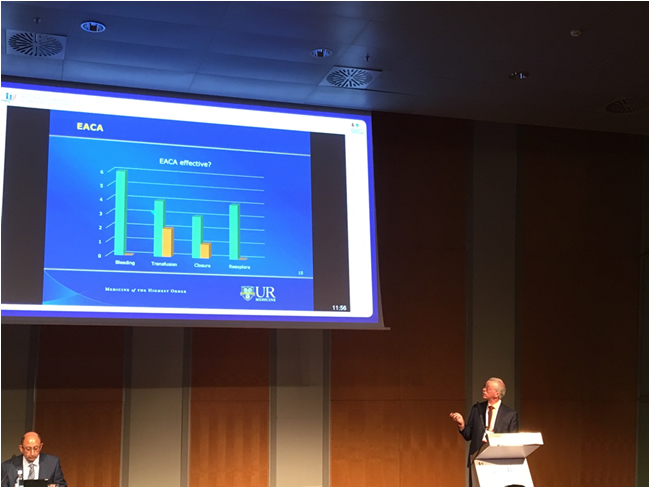
Figure 2. Dr. Eaton presents data on anti-fibrinolytic use during cardiac surgery
The second anesthesia session focused on neonatal congenital cardiac anesthesia. The first talk on the limitations and vulnerabilities of the neonatal cardiovascular system presented by Dr. K. Brady set an excellent backdrop for this session. This was followed by a fascinating talk on the impact of translational research on optimizing neonatal cardiopulmonary bypass circuits and techniques. This was presented by Dr. A. Undar (USA) a biomedical engineer by training who has helped establish research in this area.(11) The problems anesthesiologists commonly see after bypass were then presented by experts in their field. Dr. P. Laussen (Canada) discussed low cardiac output state,(12) Dr. M. Bojan (France) discussed renal dysfunction(13) and Dr. K. Brady (USA) took the stage again to discuss monitoring and protecting the infant brain during cardiac surgery.
The third anesthesia session focused on anesthetic considerations in specific situations or disease. Dr. J. DiNardo (USA) [Fig. 3] presented excellent data on patients undergoing non-cardiac surgery and how to stratify risk and understand the factors which may contribute to this risk.(14) Dr. H. Nair (India) followed with anesthetic considerations in the cardiac catheterization laboratory and gave a wonderful overview of how patients with CHD are managed in her own institution. Three specific areas were then presented by experts in their field. Dr. M. Twite (USA) discussed anesthetic considerations in the patient with pulmonary hypertension,(15) Dr. J. Heggie (Canada) [Fig. 4] discussed anesthetic considerations in the adult with congenital heart disease(16) and Dr. H. Ravn (Denmark) presented the anesthetic considerations for mechanical support devices.
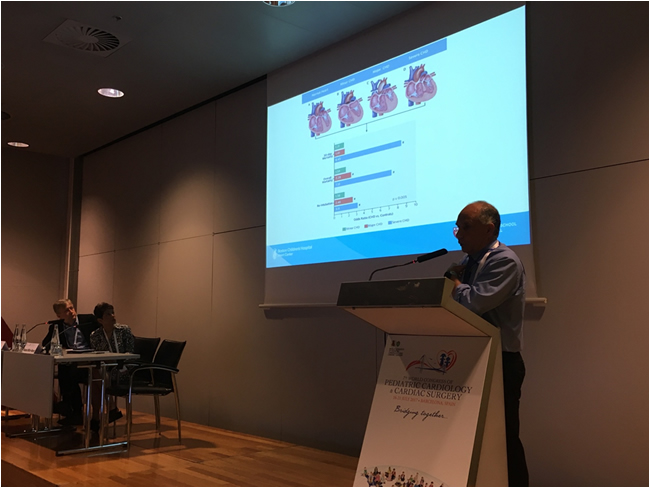
Figure 3. Dr. DiNardo presents data to support risk stratification for patients undergoing surgery
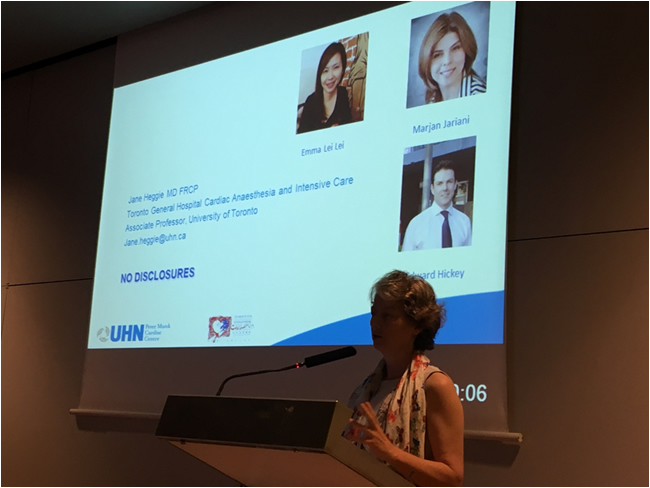
Figure 4. Dr. Heggie discusses adult congenital heart disease
All three anesthesia sessions were outstanding and filled to capacity! [Fig. 5] The questions and discussions in every session were lively and enjoyable. The opportunity for the congenital cardiac anesthesia community to come together and discuss common issues was tremendous and by the end of the week, many new friendships had been established.
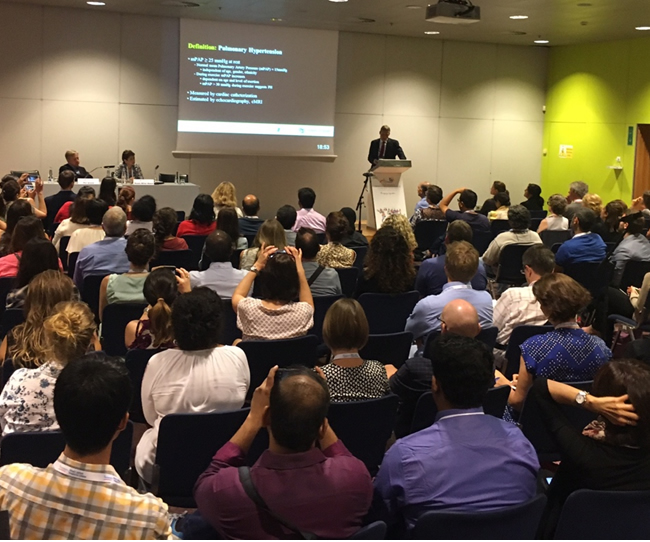
Figure 5. Full audience in the anesthesia track sessions
Bridging together
The strength of the world congress is that it puts everyone who cares for children and adults with congenital heart disease in the same location at the same time! This not only includes, cardiac surgeons, cardiologists, anesthesiologists and nurses but also perfusionists, administrative leaders and many other cardiac specialists. The problem at the conference is trying to decide what sessions to attend! Anesthesiologists are unique because we interface with so many of these specialists every day and we have insight into many of the various cardiac areas. The opening plenary titled, ‘Bridging Together: Teamwork in Caring for the Family touched by CHD’ was presented by Dr. R. Jonas (USA). This wonderful opening session grabbed the audience with its inclusiveness of every person in the room. Dr. Jonas realizes and values everyone’s contribution in caring for the whole family with a child with CHD and improving what we do.
The first joint anesthesia session was a focused learning session with the intensivists. In this session, Dr. P. Checchia presented an excellent overview of the Pediatric Cardiac Intensive Care Society (PCICS) as a global organization for change. This talk resonated with many CCAS members as our own society shares many of the same goals for improving the care of children with congenital heart disease around the world. Sharing the same stage was Dr. I. James (UK) who provided a wonderful historical overview of lessons learned from caring with children with single ventricle physiology. Together these speakers highlighted the complexities of congenital cardiac care but they also gave hope that through collaborating with colleagues around the world, it is possible to positively impact the lives of children with CHD.
The second joint anesthesia session was a bridging together session with the cardiac surgeons. The first half of this session was a compelling debate of whether it is safe to conduct normothermic cardiopulmonary bypass. Dr. E. Belli (France), a cardiac surgeon, was well positioned with years of practice using normothermic cardiopulmonary bypass safely for patients. However, Dr. J. DiNardo (USA) presented very strong scientific arguments of why such techniques are not safe, simply based on oxygen utilization. The audience was polarized on this topic and it became clear that there is a large variation in practices of how cardiopulmonary bypass is conducted. The second half of this session had experts giving their perspectives on early extubation after congenital heart surgery. The anesthesia perspective was very well presented by Dr. A. Mittnacht (USA) (17) and the surgery perspective equally well presented by Dr. J. Hammel (USA).(18) What was clear from this session is that anesthesiologist and surgeon have a common goal for their patients – early, safe extubation. This can be achieved with clear agreed upon criteria and good communication between surgeon and anesthesiologists for each patient.
Anesthesia key note address and scientific abstracts
One of the highlights of the week was the key note address, which was an excellent presentation by Dr. E. Mossad (USA) [Fig. 6], the immediate past president of the CCAS, who was standing in for his Texas Children’s Hospital chair and colleague, Dr. D. Andropoulos (USA). It is never an easy task to deliver someone else’s presentation, but Dr. Mossad demonstrated his command of the topic and his excellence in public speaking by delivering the key note address on the impact of anesthesia on neurodevelopmental outcomes in children with CHD. This topic provoked an excellent audience debate on how the issue should be presented to parents before their children undergo general anesthesia. So many of the children in our care do not have a choice about undergoing surgery or a procedure and how anesthesiologists should discuss the issue of anesthesia drugs injuring the brain with families is not known. One avenue of research which is being pursued is the better understanding of drugs which may be protective to the developing brain, such as dexmedetomidine.
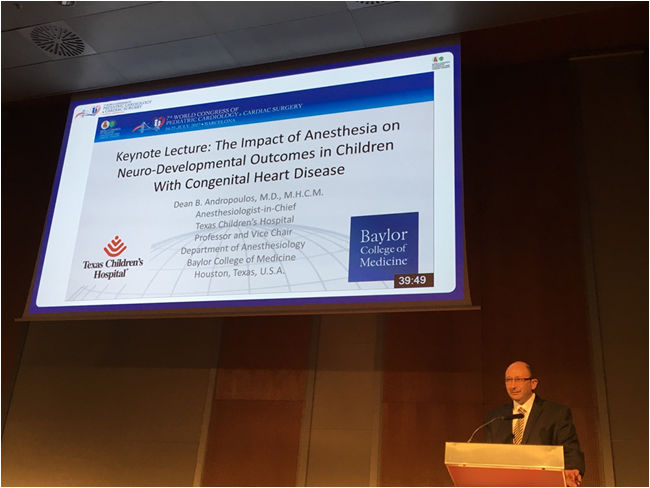
Figure 6. Keynote address by Dr. E. Mossad, immediate past president of the CCAS, on behalf of Dr. D. Andropoulos
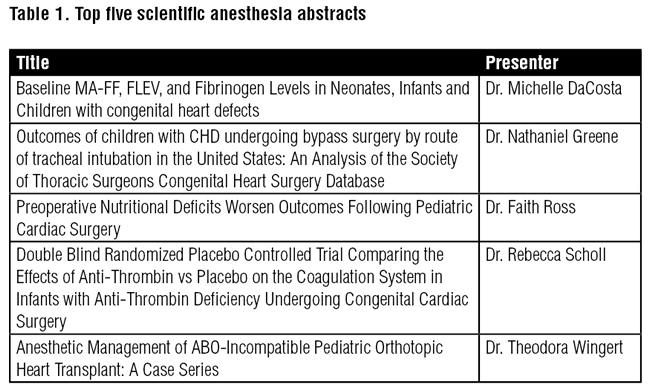
There were 40 scientific anesthesia abstracts accepted by the WCPCCS and these posters were displayed the same day as the key note address. The quality of research being done was high and the scope of topics was large, as was the number of countries represented. The posters brought people together to discuss areas of common interest. The oral abstracts were the top five submissions from cardiac anesthesia trainees and junior faculty, selected jointly by the CCAS and WCPCCS. [Fig. 7] These top abstracts are shown in Table 1. Each of the presenters were very generously supported by a grant from the WCPCCS to attend the meeting. The five oral presentations were all excellent. It was wonderful to hear about the research being undertaken by very bright physicians in our field but more importantly it confirms the future of our specialty is in good hands.
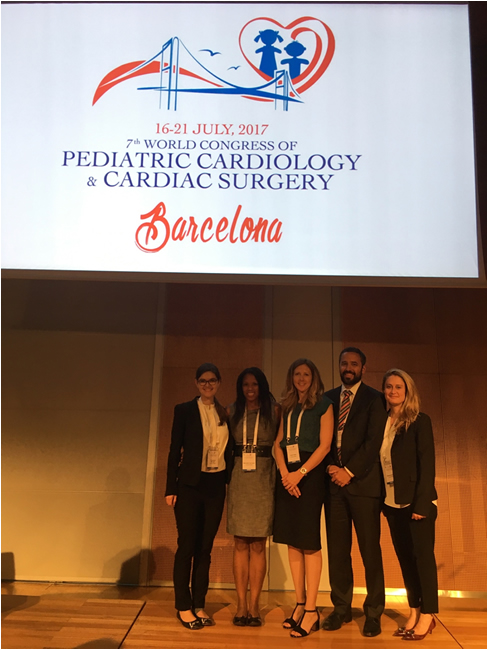
Figure 7. The Top 5 Scientific Abstract presenters
The CCAS hosted an informative luncheon after the key note address. Dr. N. Guzzetta, the current President of CCAS introduced the society [Fig. 8]. The CCAS is a society organized within the Society for Pediatric Anesthesia. The CCAS concept originated with cardiac anesthesia directors and other key leaders at major congenital heart disease programs, who believed there was a need for a new society because of rapid advancement of highly specialized knowledge in the field, and a great increase in the numbers of patients, including adults with congenital heart disease. At the luncheon, the most recent data from the joint STS/CCAS Database was presented by Dr. D. Vener (USA). A specific example of how the database can be used to look at current clinical practices was shown using dexmedetomidine.(19) Past projects that CCAS has undertaken were presented as well as future directions of the society. Finally, the numerous benefits of CCAS membership were presented including the educational resources on the website (www.ccasociety.org), regular newsletters, question of the week, poll of the month and the opportunity to network with colleagues interested in the care of patients with congenital heart disease.
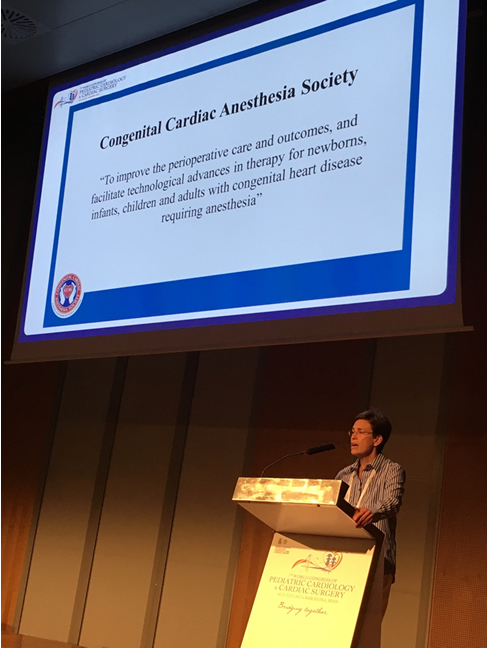
Figure 8. Dr. Guzzetta, current CCAS President, introduces the society at the sponsored lunch
Conclusion
The week-long congress was like a Flamenco dance – a whirlwind of Gaudi colors and architecture in Barcelona, mixed with the science and art of congenital cardiac anesthesia, dancing together with our numerous partners with the common goal of excellence in the care of children with heart disease around the world. The WCPCCS was an outstanding success on many levels, but particularly in meeting its primary objective of bridging together people from different countries and cultures, with different areas of expertise but who all share a common goal. The feedback for the dedicated anesthesia track was overwhelmingly positive and many participants are looking forward to a similar dedicated track at the next world congress. The congenital cardiac anesthesia community would like to thank all of the WCPCCS organizers for including all specialties and societies in the meeting. We look forward to coming together again at the next WCPCCS in 2021 to be held in Washington D.C., USA.
References
- Andropoulos DB, Greene MF. Anesthesia and Developing Brains - Implications of the FDA Warning. N Engl J Med. 2017;376(10):905-7.
- Vu EL, Rusin CG, Penny DJ, Kibler KK, Easley RB, Smith B, et al. A Novel Electrocardiogram Algorithm Utilizing ST-Segment Instability for Detection of Cardiopulmonary Arrest in Single Ventricle Physiology: A Retrospective Study. Pediatr Crit Care Med. 2017;18(1):44-53.
- Odegard KC, Vincent R, Baijal RG, Daves SM, Gray RG, Javois AJ, et al. SCAI/CCAS/SPA Expert Consensus Statement for Anesthesia and Sedation Practice: Recommendations for Patients Undergoing Diagnostic and Therapeutic Procedures in the Pediatric and Congenital Cardiac Catheterization Laboratory. Anesth Analg. 2016;123(5):1201-9.
- Guzzetta NA, Allen NN, Wilson EC, Foster GS, Ehrlich AC, Miller BE. Excessive postoperative bleeding and outcomes in neonates undergoing cardiopulmonary bypass. Anesth Analg. 2015;120(2):405-10.
- Faraoni D, O'Leary JD. Understanding developmental hemostasis through the use of viscoelastic tests of whole blood coagulation. Minerva Anestesiol. 2017;83(4):347-9.
- Faraoni D, Willems A, Romlin BS, Belisle S, Van der Linden P. Development of a specific algorithm to guide haemostatic therapy in children undergoing cardiac surgery: a single-centre retrospective study. Eur J Anaesthesiol. 2015;32(5):320-9.
- Eaton MP, Alfieris GM, Sweeney DM, Angona RE, Cholette JM, Venuto C, et al. Pharmacokinetics of epsilon-Aminocaproic Acid in Neonates Undergoing Cardiac Surgery with Cardiopulmonary Bypass. Anesthesiology. 2015;122(5):1002-9.
- Yee BE, Wissler RN, Zanghi CN, Feng C, Eaton MP. The effective concentration of tranexamic acid for inhibition of fibrinolysis in neonatal plasma in vitro. Anesth Analg. 2013;117(4):767-72.
- Maeda T, Sasabuchi Y, Matsui H, Ohnishi Y, Miyata S, Yasunaga H. Safety of Tranexamic Acid in Pediatric Cardiac Surgery: A Nationwide Database Study. J Cardiothorac Vasc Anesth. 2017;31(2):549-53.
- Guzzetta NA, Williams GD. Current use of factor concentrates in pediatric cardiac anesthesia. Paediatr Anaesth. 2017;27(7):678-87.
- Undar A, Wang S, Palanzo DA, Wise R, Woitas K, Baer LD, et al. Impact of Translational Research on Optimization of Neonatal Cardiopulmonary Bypass Circuits and Techniques-The Penn State Health Approach. Artif Organs. 2017;41(3):218-23.
- Schwartz SM, Floh AA, Laussen PC. Pharmacological Manipulation of Peripheral Vascular Resistance in Single Ventricle Patients (Stages I, II, and III of Palliation). Curr Vasc Pharmacol. 2016;14(1):58-62.
- Bojan M, Basto Duarte MC, Ermak N, Lopez-Lopez V, Mogenet A, Froissart M. Structural equation modelling exploration of the key pathophysiological processes involved in cardiac surgery-related acute kidney injury in infants. Crit Care. 2016;20(1):171.
- Nasr VG, DiNardo JA, Faraoni D. Development of a Pediatric Risk Assessment Score to Predict Perioperative Mortality in Children Undergoing Noncardiac Surgery. Anesth Analg. 2017;124(5):1514-9.
- Twite MD, Friesen RH. The anesthetic management of children with pulmonary hypertension in the cardiac catheterization laboratory. Anesthesiology clinics. 2014;32(1):157-73.
- Heggie J, Karski J. The anesthesiologist's role in adults with congenital heart disease. Cardiol Clin. 2006;24(4):571-85, vi.
- Mittnacht AJ. Pro: Early extubation following surgery for congenital heart disease. J Cardiothorac Vasc Anesth. 2011;25(5):874-6.
- Varghese J, Kutty S, Abdullah I, Hall S, Shostrom V, Hammel JM. Preoperative and Intraoperative Predictive Factors of Immediate Extubation After Neonatal Cardiac Surgery. Ann Thorac Surg. 2016;102(5):1588-95.
- Schwartz LI, Twite M, Gulack B, Hill K, Kim S, Vener DF. The Perioperative Use of Dexmedetomidine in Pediatric Patients with Congenital Heart Disease: An Analysis from the Congenital Cardiac Anesthesia Society-Society of Thoracic Surgeons Congenital Heart Disease Database. Anesth Analg. 2016;123(3):715-21.


